Customizing paper cups, plates, and trays for branding and marketing purposes is a popular way for businesses to enhance their visibility, promote their brand identity, and engage with customers. Here are the main methods companies use to customize these items:
1. Logo and Brand Design Printing
- Method: The most common approach to customization is printing the company logo, slogan, or specific design on the paper product. This can be done using various printing techniques (offset printing, flexography, digital printing).
- Impact: Helps create brand recognition by showcasing the company’s visual identity on a daily-use product. Customers are exposed to the brand regularly when using the items.
- Additional Features: Custom fonts, colors, and visual elements like patterns or images that reflect the brand’s aesthetic.
2. Promotional Messages and Campaigns
- Method: Companies often use paper products for limited-time promotions or special campaigns. For example, they may print discount offers, QR codes leading to a website, or a call to action like “Follow us on social media!”
- Impact: These messages create a direct connection with consumers, offering them incentives to engage with the brand.
- Example: Coffee shops might print seasonal offers or discounts directly on the cups.
3. Thematic Customization for Events
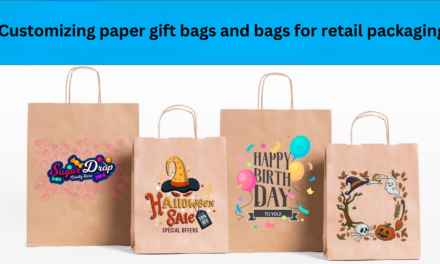
- Method: Businesses can customize paper products for specific events, holidays, or themes (e.g., birthdays, corporate events, weddings, or product launches). These custom designs often feature event-specific logos, graphics, or themed colors.
- Impact: Creates a memorable experience for event attendees, reinforcing the brand’s connection to the event.
- Example: A fast-food chain may offer limited-edition cups featuring a new movie franchise during its promotional partnership.
4. Sustainable and Eco-Friendly Branding
- Method: Brands that focus on sustainability often customize their paper cups, plates, and trays to highlight their eco-friendly practices. Customization may include using recycled paper or water-based ink, and the messaging often emphasizes the company’s commitment to the environment.
- Impact: Builds brand loyalty with eco-conscious customers and enhances the company’s image as environmentally responsible.
- Example: A coffee shop using eco-friendly paper cups with the message “Made from 100% recycled materials” printed on the cup.
5. Personalized Customization for Customers
- Method: Some businesses offer personalized customization, such as printing customer names or messages on paper cups, plates, or trays. This is particularly popular in restaurants, events, or coffee shops.
- Impact: This approach can create a more personal connection with customers and increase engagement. It also gives a unique touch to events like birthdays or celebrations.
- Example: A coffee shop that prints a customer’s name on their coffee cup, creating a personalized experience.
6. Interactive Elements (QR Codes and Social Media Hashtags)
- Method: Adding QR codes, hashtags, or other interactive elements to the paper products encourages customers to take action, such as visiting a website or engaging on social media.
- Impact: Bridges the gap between physical products and digital experiences, driving online engagement and increasing brand visibility.
- Example: A restaurant printing a QR code on their trays that links to their app for ordering food or an online loyalty program.
7. Custom Shapes and Designs
- Method: In addition to printing, companies can also customize the shape and design of paper products, such as creating unique shapes for paper plates or offering a variety of cup sizes.
- Impact: Custom shapes can make the product stand out in a competitive market, creating a more memorable branding experience for customers.
- Example: A fast-food chain offering custom-shaped paper trays that reflect the theme of a specific promotion or new product.
8. Special Coatings and Finishes
- Method: Adding premium coatings such as gloss, matte, or embossed finishes to the paper products can enhance the visual appeal and tactile experience. Companies may also use foil stamping or spot UV coating for added luxury.
- Impact: Makes the product feel high-end or exclusive, especially when used for premium brands or events.
- Example: High-end restaurants may use foil-stamped paper plates for special occasions.
9. Seasonal and Regional Customization
- Method: Businesses customize paper products to reflect specific seasons (e.g., Christmas, summer) or regional preferences (e.g., local artwork, cultural themes).
- Impact: Provides seasonal relevance and a localized experience, which can help attract customers during key times of the year or in specific geographic regions.
- Example: A coffee shop might print holiday-themed designs on their cups during the winter season, or a restaurant may offer regional-specific designs for local promotions.
10. Collaborations and Licensing
- Method: Companies may collaborate with other brands, artists, or influencers to create limited-edition custom designs for their paper cups, plates, or trays.
- Impact: Expands the brand’s reach by tapping into another brand’s or artist’s following.
- Example: A popular fast-food chain collaborating with a film studio to create cups and trays featuring characters from a blockbuster movie.
Conclusion
Customizing paper cups, plates, and trays offers businesses a unique and effective way to enhance brand visibility, engage customers, and create a memorable experience. The key to successful customization is finding the right balance between practical functionality, aesthetic appeal, and aligning with the brand’s values. Whether through artwork, messaging, or interactive elements, these products are an integral part of marketing strategies for many businesses.