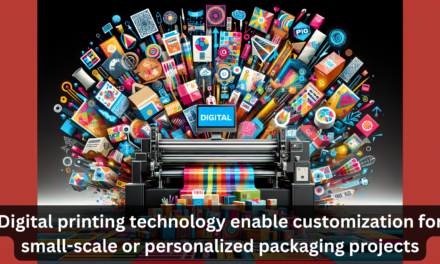
Digital printing has revolutionized the way businesses customize paper cups and food packaging, offering numerous advantages that traditional printing methods couldn’t provide. Below are the key ways digital printing has impacted the customization of these products:
1. Increased Flexibility in Design
- Customization Freedom: Digital printing allows for highly flexible and intricate designs with more color variety, gradients, and details. Unlike traditional printing methods (e.g., offset printing), digital printing doesn’t require physical plates or pre-press setup, which means businesses can easily alter designs without incurring extra costs.
- Impact: Companies can print anything from small runs of personalized packaging to large quantities of packaging with diverse designs, such as seasonal or promotional variations. This is particularly useful for restaurants, coffee shops, and food brands that want to reflect specific themes or campaigns.
2. Shorter Turnaround Time
- Faster Production: Digital printing eliminates the need for time-consuming plate-making, reducing setup times. This enables companies to print and customize products on-demand, speeding up production and allowing for faster deliveries.
- Impact: With the shorter turnaround times, businesses can meet tight deadlines for events, promotions, or limited-time offers. This is particularly beneficial for restaurants and cafes with changing menus or seasonal product designs.
3. Cost-Efficiency for Small Runs
- Reduced Setup Costs: In traditional printing methods, fixed costs for setting up printing plates and equipment can make small production runs expensive. Digital printing allows for cost-effective small-batch printing, meaning companies don’t need to overproduce or store large quantities of custom-designed items.
- Impact: This opens up customization options for small businesses or startups that need affordable, personalized paper cups and packaging without the need for large minimum order quantities. It allows brands to test new designs or campaigns with lower financial risk.
4. Personalization and On-Demand Customization
- Unique Personalization: Digital printing enables personalization of each individual item, allowing businesses to print specific names, messages, or even customer orders on paper cups, plates, or food packaging. This can be done without compromising quality or requiring different print runs for each design.
- Impact: Highly personalized items, such as cups with a customer’s name or special messages, can help foster a stronger connection between the brand and its customers. This is also great for events like weddings, corporate meetings, or customer rewards programs.
5. High-Quality Image Reproduction
- Better Detail and Color Accuracy: Digital printing offers high-quality image reproduction with crisp details, precise color matching, and accurate gradients, making it ideal for printing vibrant logos and intricate designs. With advanced digital printing technology, businesses can achieve a high level of detail without sacrificing the integrity of the brand image.
- Impact: The ability to reproduce fine details and vibrant colors improves the overall aesthetic of paper cups and food packaging, making them more visually appealing to consumers. Brands can now match exact brand colors and include detailed graphics, helping products stand out on the shelf or at an event.
6. Eco-Friendly Printing Options
- Sustainability: Digital printing has a lower environmental impact compared to traditional methods. It produces less waste since it doesn’t require the use of printing plates, and it typically uses water-based or eco-friendly inks. Additionally, digital printers can use sustainable materials, such as recycled paper or compostable substrates.
- Impact: For brands that prioritize sustainability, digital printing offers a more eco-conscious alternative. This is particularly important as consumers increasingly favor environmentally responsible companies and products.
7. Ability to Produce Complex and Multicolor Designs
- Full-Color Printing: Traditional printing methods often have limitations in terms of color usage or require special processes for multicolor prints. Digital printing allows for full-color printing using a wider range of hues, making it easier to print intricate and complex designs.
- Impact: This allows brands to use high-quality graphics, gradients, and photo-quality images on their paper cups and packaging. The ability to print full-color designs in a single run provides a significant edge in creative flexibility and marketing.
8. Inventory Control and On-Demand Printing
- Just-in-Time Printing: With digital printing, businesses can print paper cups and food packaging as needed, reducing the need to maintain large inventories. This minimizes the risk of overstocking products and ensures that packaging designs are up-to-date with current trends and campaigns.
- Impact: Companies can be more responsive to changes in marketing strategies, promotions, or customer preferences. This flexibility also reduces waste, as items are only printed when required, aligning with the increasing emphasis on sustainability.
9. Variable Data Printing
- Customization of Each Piece: Digital printing allows for variable data printing, meaning businesses can customize each paper cup, plate, or tray with different text or images. This could include printing unique product information, different customer names, or location-specific content.
- Impact: This capability is particularly valuable for personalized marketing campaigns, targeted promotions, and interactive consumer experiences. For example, food packaging could include personalized coupons or location-specific offers for consumers.
10. Short-Run Test Marketing
- Low Risk Testing: With digital printing, businesses can produce small batches of paper cups or food packaging for testing new designs, products, or marketing campaigns without the financial commitment of large production runs.
- Impact: It enables businesses to test different designs, materials, or messages in real-world scenarios and gather feedback before committing to larger production orders. This is especially beneficial for restaurants, food brands, or event-based promotions.
Conclusion
Digital printing has revolutionized the customization of paper cups and food packaging by offering greater flexibility, speed, and cost-effectiveness, while also supporting sustainability efforts. It allows businesses to experiment with designs, create personalized products, and respond quickly to market changes, all while maintaining high-quality standards. For brands looking to enhance customer engagement and create unique, memorable experiences, digital printing is an essential tool in modern packaging and branding strategies.