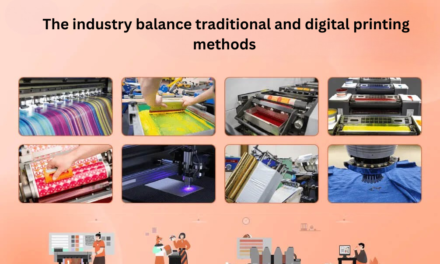
Customizing paper gift bags and retail packaging involves various printing techniques tailored to achieve the desired design, quality, and budget requirements. Below are the most commonly used printing techniques for paper bags:
1. Flexographic Printing
A popular choice for high-volume production due to its efficiency and adaptability.
Features:
- Uses flexible relief plates made from rubber or photopolymer.
- Prints directly on paper rolls before they are converted into bags.
Advantages:
- Ideal for simple designs, large solid areas, and repeated patterns.
- Fast and cost-effective for long runs.
- Can print on rough surfaces, including kraft paper.
Applications:
- Retail paper bags with simple logos or branding.
- Grocery and takeaway paper bags.
2. Offset Printing (Lithography)
A high-quality printing method suitable for detailed and vibrant designs.
Features:
- Transfers ink from a plate to a rubber blanket and then onto the paper.
- Supports multi-color designs with precision.
Advantages:
- Produces sharp, high-resolution images and text.
- Excellent color accuracy and consistency.
- Cost-effective for medium to large production runs.
Applications:
- Premium gift bags with intricate designs and branding.
- High-end retail packaging for luxury brands.
3. Digital Printing
A versatile technique ideal for short runs and highly customized designs.
Features:
- Prints directly from digital files, eliminating the need for plates.
- Allows for variable data printing, such as personalized messages or unique codes.
Advantages:
- Quick setup and production, perfect for small quantities.
- Supports detailed, multi-color, and photo-quality prints.
- Minimal waste and environmentally friendly.
Applications:
- Personalized gift bags for events or branding.
- Small-batch retail packaging with unique or seasonal designs.
4. Screen Printing
A traditional method that uses a mesh screen to transfer ink onto the surface.
Features:
- Ideal for bold, vibrant designs with solid colors.
- Often used for specialty finishes, such as metallic or fluorescent inks.
Advantages:
- Excellent color saturation, especially on dark or textured paper.
- Suitable for small-scale production and handmade aesthetics.
Applications:
- Decorative gift bags with bold patterns or logos.
- Small-scale or artisanal retail bags.
5. Gravure Printing
A high-quality, high-speed printing method suitable for extremely large runs.
Features:
- Engraved cylinders transfer ink onto the paper.
- Known for its precision and ability to print fine details.
Advantages:
- Exceptional quality for images and detailed patterns.
- Ideal for continuous designs, such as wrapping paper-style patterns on bags.
Applications:
- Large-scale production of high-quality retail or luxury bags.
- Detailed designs requiring fine gradients or textures.
6. Foil Stamping
A decorative printing technique that applies metallic or pigmented foil to the surface.
Features:
- Uses heat and pressure to transfer the foil onto the paper.
- Creates shiny or matte metallic effects.
Advantages:
- Adds a premium and luxurious look.
- Available in various colors and finishes (e.g., gold, silver, holographic).
Applications:
- Gift bags for high-end occasions like weddings or corporate events.
- Luxury retail packaging.
7. Embossing/Debossing
A finishing technique that creates raised (embossed) or recessed (debossed) designs.
Features:
- Involves pressing the paper between a die and a counter-die.
- Enhances the tactile and visual appeal.
Advantages:
- Adds texture and sophistication.
- Often combined with other techniques like foil stamping for added effect.
Applications:
- Premium gift bags with logos or intricate patterns.
- Retail bags for upscale brands.
8. Hot Stamping
A combination of heat and pressure to transfer a pre-designed image onto paper.
Features:
- Can be used with metallic, holographic, or pigmented foils.
- Commonly used for small, high-impact design elements.
Advantages:
- Creates eye-catching, reflective designs.
- Durable and resistant to smudging.
Applications:
- Luxury gift bags and retail packaging for jewelry or cosmetics.
9. UV Printing
A modern technique that uses ultraviolet light to cure inks on the paper surface.
Features:
- Produces sharp, vibrant colors and fine details.
- Inks are cured instantly, allowing for faster production.
Advantages:
- Excellent for high-gloss or matte finishes.
- Works on a variety of paper types, including coated and textured surfaces.
Applications:
- High-quality retail bags with photographic designs.
- Gift bags with intricate patterns and gradients.
10. Letterpress Printing
A traditional printing method that uses raised plates to press ink into the paper.
Features:
- Produces a distinct tactile impression on the paper.
- Suitable for minimalist designs with clean lines.
Advantages:
- Adds a handcrafted, elegant feel.
- Works well with specialty papers.
Applications:
- Custom gift bags for special occasions.
- Retail packaging for artisanal or boutique brands.
11. Eco-Friendly Techniques
Many brands are adopting environmentally conscious printing techniques to align with sustainability goals.
Examples:
- Water-Based Inks: Reduce environmental impact while maintaining vibrant colors.
- Soy-Based Inks: Biodegradable and sustainable.
- Low-VOC Printing: Reduces volatile organic compounds, making the process greener.
Applications:
- Sustainable retail packaging.
- Gift bags for eco-conscious brands.
Choosing the Right Technique
The choice of printing method depends on:
- Design Complexity: Detailed images require digital or offset printing, while simple logos can use flexographic or screen printing.
- Quantity: Large-scale production favors flexographic or gravure printing; small batches are better suited for digital or screen printing.
- Budget: Cost-effective methods like flexographic printing work for basic designs, while premium finishes like foil stamping add luxury at a higher cost.
- Paper Type: Coated papers work well with offset or digital printing, while textured papers pair better with screen or letterpress printing.
By combining the right technique with thoughtful design, manufacturers can produce customized paper bags that meet both functional and aesthetic goals.