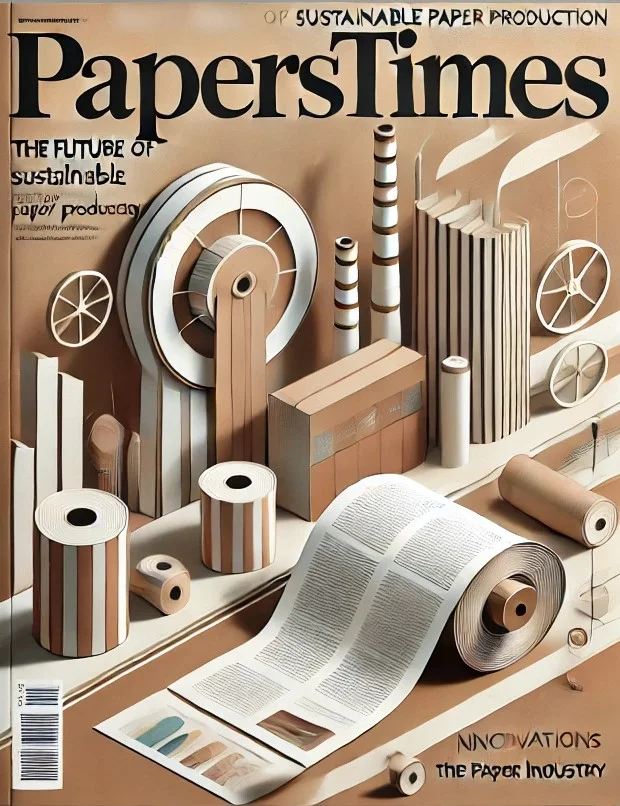
In the paper and printing industry, various types of paper rolls are used depending on the specific application, printing technology, and desired output. These rolls differ in terms of material, weight, coating, and finish. Here’s an overview of the different types of paper rolls:
1. Kraft Paper Rolls
- Material: Made from virgin or recycled wood pulp.
- Characteristics:
- High strength and durability.
- Available in natural brown or bleached white.
- Can be uncoated or coated for added protection.
- Applications:
- Packaging (e.g., wrapping, void fill, and protective layers).
- Bags and sacks.
- Industrial uses like masking in painting or surface protection.
2. Bond Paper Rolls
- Material: High-quality cellulose fibers, sometimes mixed with recycled content.
- Characteristics:
- Smooth, uncoated surface.
- Good brightness and durability.
- Suitable for writing, printing, and copying.
- Applications:
- Office printing and photocopying.
- Large-format printing for CAD drawings or blueprints.
- Plotter paper for architectural or engineering uses.
3. Thermal Paper Rolls
- Material: Paper coated with a heat-sensitive chemical layer.
- Characteristics:
- Changes color when exposed to heat.
- Smooth and glossy surface.
- No ink required for printing.
- Applications:
- Receipts and invoices (e.g., in POS systems).
- ATM rolls.
- Labels and tickets.
4. Coated Paper Rolls
- Material: Paper coated with a layer of clay or polymer.
- Characteristics:
- Smooth, glossy, or matte finish.
- Enhanced print quality and color vibrancy.
- Resistant to smudging and wear.
- Applications:
- Magazines and brochures.
- Posters and advertising materials.
- Premium packaging.
5. Newsprint Rolls
- Material: Made from mechanical pulp, often containing recycled fibers.
- Characteristics:
- Lightweight and low-cost.
- High opacity but lower brightness.
- Biodegradable and recyclable.
- Applications:
- Newspapers and newsletters.
- Flyers and circulars.
- Low-cost printing needs.
6. Tissue Paper Rolls
- Material: Softwood and hardwood pulp, often with additives for softness.
- Characteristics:
- Thin, lightweight, and absorbent.
- Soft texture, sometimes perforated for easy tearing.
- Applications:
- Wrapping delicate items.
- Hygienic applications (e.g., toilet tissue, facial tissue).
- Industrial use for cleaning and polishing.
7. Label Paper Rolls
- Material: Specialty paper designed for printing labels, often with adhesive backing.
- Characteristics:
- Smooth or textured surface.
- Can be thermal or coated for specific printing needs.
- Available in various finishes (glossy, matte, semi-gloss).
- Applications:
- Product labels.
- Barcode and shipping labels.
- Custom stickers.
8. Cardboard or Chipboard Rolls
- Material: Thick paperboard made from recycled fibers.
- Characteristics:
- Rigid and durable.
- Brown or gray in color.
- Applications:
- Packaging and box liners.
- Core materials for tubes and reels.
- Protective layers during shipping.
9. Specialty Paper Rolls
- Material: Custom blends for unique properties (e.g., waterproof, fire-resistant).
- Characteristics:
- Tailored to specific industrial or commercial needs.
- Often coated or treated for added functionality.
- Applications:
- Thermal insulation wraps.
- Water-resistant wrapping paper.
- Flame-retardant materials for industrial use.
10. Recycled Paper Rolls
- Material: Made entirely or partially from post-consumer or post-industrial recycled fibers.
- Characteristics:
- Environmentally friendly and cost-effective.
- Varied finishes and weights depending on the grade.
- Applications:
- Eco-friendly packaging.
- Printing and copying.
- Wrapping and cushioning materials.
11. Carbonless Paper Rolls (NCR Rolls)
- Material: Coated paper that transfers writing or printing impressions to subsequent layers.
- Characteristics:
- Eliminates the need for carbon sheets.
- Available in multi-layer configurations.
- Applications:
- Invoices, receipts, and forms.
- Multi-copy documentation.
12. Sublimation Paper Rolls
- Material: Coated paper designed for sublimation printing.
- Characteristics:
- Transfers dye to surfaces like fabric, ceramics, or metal using heat.
- High ink absorption and smooth surface.
- Applications:
- Textile printing.
- Customized merchandise (e.g., mugs, phone cases).
13. Art Paper Rolls
- Material: High-quality paper with a coated or textured finish.
- Characteristics:
- Smooth, glossy, or matte surface for enhanced artwork.
- Acid-free for archival quality.
- Applications:
- Fine art reproductions.
- Posters and banners.
- Premium gift wraps.
14. Glossy Paper Rolls
- Material: Paper coated with a glossy layer for high shine.
- Characteristics:
- Reflective surface enhances color saturation.
- Smooth and professional look.
- Applications:
- High-quality brochures and magazines.
- Product catalogs.
- Photo printing.
15. Perforated Paper Rolls
- Material: Can be kraft, tissue, or specialty paper with perforations for tearing.
- Characteristics:
- Pre-cut lines for easy separation.
- Available in various weights and sizes.
- Applications:
- Tickets and coupons.
- Cleaning rolls for industrial or household use.
- Paper towels and dispensers.
Conclusion
The paper and printing industry utilizes a wide variety of paper rolls tailored to specific applications. Whether it’s kraft paper for packaging, thermal paper for receipts, or art paper for high-quality printing, each type serves a unique purpose. The choice of paper roll depends on factors like durability, finish, and environmental considerations, with increasing emphasis on sustainable and recyclable options to meet modern industry demands.