Paper cups for hot beverages and cold drinks are designed differently to meet the unique demands of the temperatures and condensation they encounter. Here’s how they differ:
1. Materials and Coatings
Hot Beverage Cups
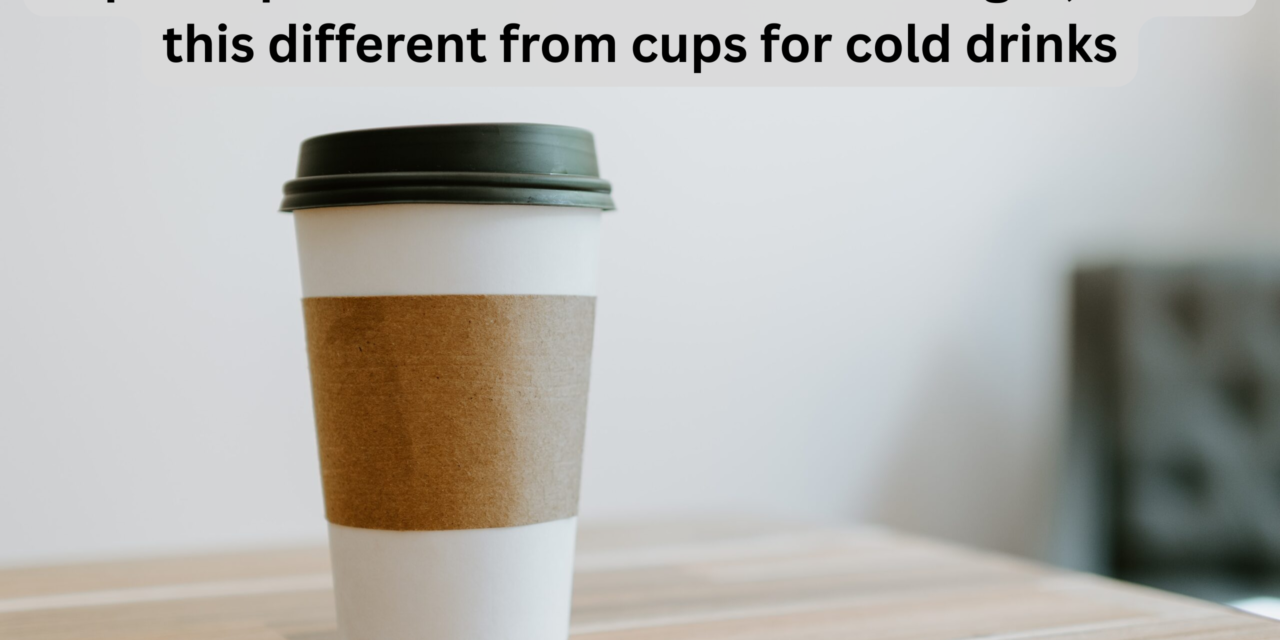
- Material: Made of thick, high-quality paperboard to provide insulation and structural integrity against heat.
- Inner Coating: Typically lined with polyethylene (PE) or biodegradable PLA (polylactic acid) to make them waterproof and prevent liquid absorption.
- Double Wall or Insulated Design: Many hot cups feature an additional outer paper layer or built-in insulation to retain heat and protect hands from burning.
Cold Beverage Cups
- Material: Usually made of thinner paperboard since they do not need to withstand high temperatures.
- Inner and Outer Coatings: Coated with PE, PLA, or wax to resist condensation and prevent sogginess caused by cold liquids and ice.
- Transparent Variants: Some cold drink cups are made of clear plastic or bio-plastic for visual appeal, especially for beverages like iced coffee or smoothies.
2. Temperature Resistance
Hot Beverage Cups:
- Designed to withstand temperatures up to 200°F (93°C) or more without warping, softening, or leaking.
- The material resists heat transfer to ensure safe handling, especially in single-wall designs that require a sleeve.
Cold Beverage Cups:
- Optimized for cold liquids and ice but not suitable for high heat, as hot beverages can warp the paper or melt the wax or PE lining.
- Condensation-resistance is a key feature to prevent the outer surface from becoming weak or slippery.
3. Functional Features
Hot Beverage Cups:
- Often tapered and slightly thicker for heat retention and easy gripping.
- Commonly paired with domed lids with a sipping hole to retain heat and allow safe consumption.
- Designed to hold beverages like coffee, tea, hot chocolate, and soups.
Cold Beverage Cups:
- Typically lightweight and paired with flat or domed lids with straw holes.
- Designed to accommodate drinks like soda, smoothies, iced tea, or slushies.
- Some include double-sided coatings to handle condensation effectively.
4. Environmental Considerations
- Hot Beverage Cups: The double-wall or insulation layer adds to material use, but compostable versions made from biodegradable PLA or paperboard are available.
- Cold Beverage Cups: Often use lighter materials, making them easier to recycle, but they also come in compostable options.