The paper industry produces a wide range of paper products catering to various applications. Below are the most common types of paper products classified by their usage:
1. Packaging Paper Products
These are widely used due to the growing demand for sustainable and recyclable packaging materials.
- Kraft Paper:
- Made from wood pulp, it is strong and used for bags, sacks, and wrapping.
- Types: Brown kraft (natural) and bleached kraft (white).
- Corrugated Board:
- Composed of a fluted sheet sandwiched between linerboards.
- Commonly used in shipping boxes and cartons.
- Cardboard:
- Thick, durable paperboard used in product packaging and display materials.
- Paperboard:
- Lightweight and rigid, used for cereal boxes, folding cartons, and beverage carriers.
2. Printing and Writing Paper
Used in offices, schools, and publishing.
- Bond Paper:
- High-quality paper commonly used for stationery, business letters, and documents.
- Newsprint:
- Lightweight, low-cost paper for newspapers.
- Coated Paper:
- Has a glossy or matte finish, ideal for magazines, brochures, and high-quality printing.
- Uncoated Paper:
- Used in books, copy paper, and envelopes.
- Specialty Paper:
- For art, photography, or premium printing, such as watercolor paper and photographic paper.
3. Tissue Paper Products
Lightweight, soft, and absorbent papers for personal and household use.
- Toilet Paper:
- Essential hygiene product made from soft, absorbent paper.
- Facial Tissue:
- Thin and soft paper for personal use.
- Paper Towels:
- Absorbent paper for cleaning and drying.
- Napkins:
- Used in restaurants and homes for wiping and cleaning.
- Industrial Wipes:
- Stronger tissue paper used for cleaning in industrial settings.
4. Specialty Paper Products
Tailored for unique applications.
- Greaseproof Paper:
- Resistant to oil and grease, used in food packaging and baking.
- Parchment Paper:
- Treated for heat resistance, ideal for cooking and baking.
- Filter Paper:
- Used in laboratories, coffee filters, and industrial filtration.
- Decorative Paper:
- Used in crafts, gift wrapping, and wallpapers.
- Thermal Paper:
- Coated with a chemical for heat-activated printing, used in receipts and labels.
5. Recycled Paper Products
Made from post-consumer waste or industrial scraps.
- Recycled Kraft Paper:
- Used in packaging, such as paper bags and corrugated boxes.
- Recycled Newsprint:
- Low-grade recycled paper used for newspapers and inserts.
- Eco-Friendly Printing Paper:
- High-quality recycled paper for writing and printing.
6. Food-Grade Paper Products
Designed for direct or indirect contact with food.
- Wax Paper:
- Coated with wax to make it moisture-resistant.
- Butcher Paper:
- Used for wrapping meat and deli items.
- Baking Paper:
- Non-stick and heat-resistant, used for lining baking trays.
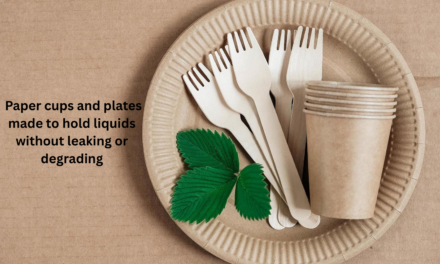
- Cupstock Paper:
- Used in disposable cups and plates.
7. Industrial and Technical Paper
Used in manufacturing and industrial applications.
- Sandpaper:
- Coated with abrasive material for sanding surfaces.
- Insulating Paper:
- Used in electrical applications, such as transformers and cables.
- Release Paper:
- Coated paper used as a backing for adhesives and laminates.
8. Board Products
Heavier and sturdier than regular paper, used in construction and packaging.
- Chipboard:
- Made from recycled paper, used in backing for notepads and rigid packaging.
- Solid Bleached Sulfate (SBS):
- High-quality, strong board used for premium packaging and folding cartons.
- Containerboard:
- Used in making corrugated boxes.
9. Hygiene and Medical Paper
Paper products designed for sanitary and healthcare purposes.
- Medical Wrapping Paper:
- Sterilizable paper for wrapping medical instruments.
- Paper Masks and Gowns:
- Lightweight paper-based protective materials.
- Disposable Bed Sheets:
- Used in hospitals and clinics.
10. Craft and Decorative Paper
Used in arts, crafts, and gifting.
- Construction Paper:
- Thick, colored paper for crafting.
- Origami Paper:
- Thin and flexible paper for folding.
- Gift Wrapping Paper:
- Decorative paper for packaging gifts.
The demand for these products varies across industries, but trends toward sustainability, recyclability, and biodegradability are shaping the future of paper production, with innovations in coatings, strength, and functionality playing a significant role.