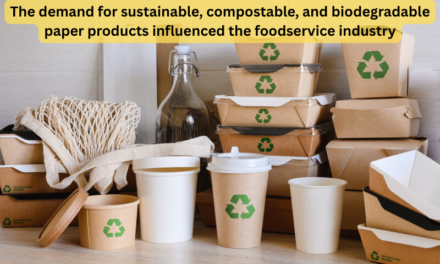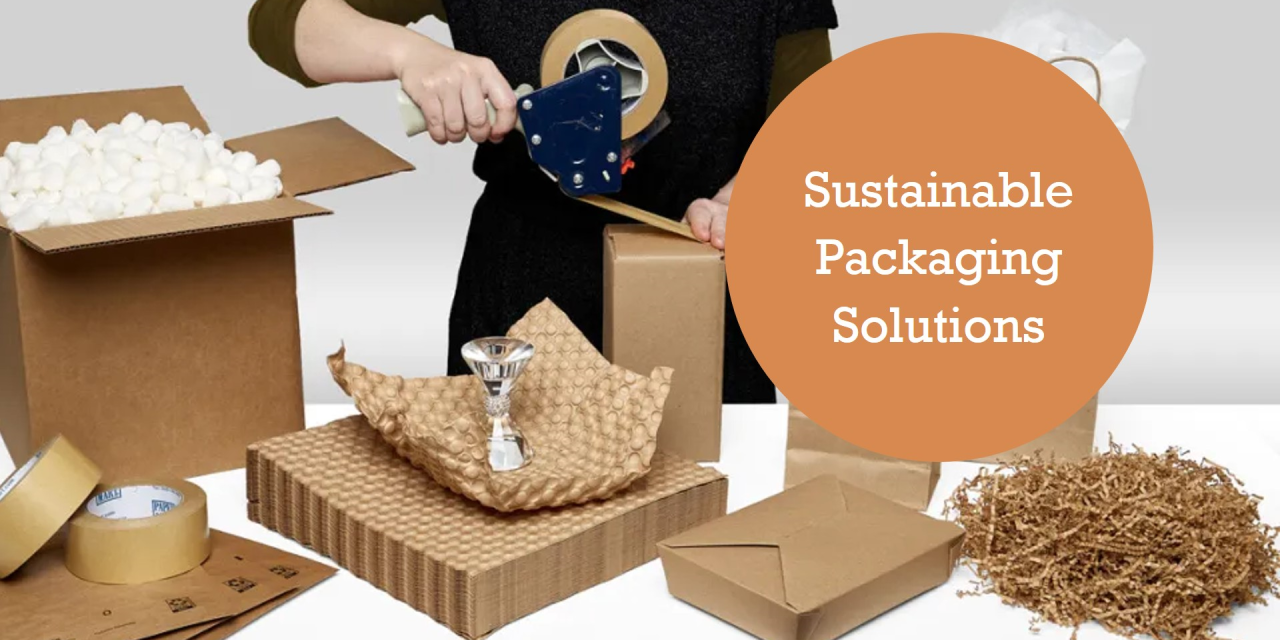
The best materials for sustainable packaging solutions in printing projects are those that are renewable, recyclable, biodegradable, or compostable while maintaining the required functionality, durability, and aesthetic appeal. Here’s a breakdown of the top materials:
1. Paper and Cardboard
Why They Are Sustainable:
- Made from renewable sources like wood pulp or recycled fibers.
- Biodegradable and recyclable.
- Widely available and cost-effective.
Common Types:
- Kraft Paper:
- Strong, durable, and ideal for packaging bags, wrapping, and boxes.
- Recycled Paperboard:
- Made from post-consumer waste, great for folding cartons.
- Corrugated Cardboard:
- Used for shipping and protective packaging.
- FSC-Certified Paper:
- Sourced from responsibly managed forests.
Applications:
- Food packaging (sandwich wraps, pizza boxes).
- E-commerce packaging (mailer boxes, paper void fill).
- Retail packaging (shopping bags, custom-printed cartons).
2. Molded Fiber
Why It Is Sustainable:
- Made from recycled paper pulp or agricultural residues (e.g., bagasse, wheat straw).
- Biodegradable and compostable.
- Reduces waste by repurposing materials.
Applications:
- Protective packaging (electronics, glassware).
- Food trays and drink carriers.
- Eco-friendly industrial packaging.
3. Biodegradable Films
Why They Are Sustainable:
- Break down naturally in composting environments.
- Made from plant-based sources like corn starch or cellulose.
Common Types:
- PLA (Polylactic Acid):
- Made from corn or sugarcane, ideal for clear packaging.
- Cellulose Film:
- Derived from wood fibers, often used in food wraps.
- PVOH (Polyvinyl Alcohol):
- Soluble and biodegradable, used for single-use packaging.
Applications:
- Transparent windows in boxes or bags.
- Food-safe wraps and pouches.
- Protective laminates for paper packaging.
4. Compostable Materials
Why They Are Sustainable:
- Fully break down into organic matter under industrial or home composting conditions.
- Reduce landfill waste and greenhouse gas emissions.
Common Types:
- Bagasse:
- A by-product of sugarcane, used for food containers and trays.
- Starch-Based Materials:
- Made from corn or potatoes, suitable for flexible packaging.
- Palm Leaves and Areca Nut Sheaths:
- Natural, compostable materials used for plates and trays.
Applications:
- Takeout packaging and foodservice items.
- Compostable bags for produce or retail.
- Biodegradable mailers.
5. Recycled Plastics (rPET or rHDPE)
Why They Are Sustainable:
- Reuses existing plastic waste, reducing the need for virgin plastic.
- Extends the lifecycle of plastic materials.
Applications:
- Packaging for cosmetics or cleaning products.
- Durable pouches with recycled content.
- Blister packs for small products.
Considerations:
- Recyclability depends on local infrastructure.
- Less suitable for composting or biodegradable projects.
6. Glassine Paper
Why It Is Sustainable:
- A smooth, translucent paper made from wood pulp.
- Fully recyclable, biodegradable, and compostable.
Applications:
- Food wraps and bakery bags.
- Envelopes for small items like stickers or jewelry.
- Eco-friendly protective layers in packaging.
7. Kraft Laminates
Why They Are Sustainable:
- Combines kraft paper with biodegradable or recyclable coatings.
- Provides moisture or grease resistance without using plastic.
Applications:
- Food packaging (e.g., sandwich wraps, snack pouches).
- Custom-printed kraft bags for retail or events.
- Durable e-commerce envelopes.
8. Hemp and Other Plant Fibers
Why They Are Sustainable:
- Renewable, fast-growing, and biodegradable.
- Stronger than wood-based paper in some applications.
Applications:
- Specialty packaging for luxury or eco-friendly brands.
- Textured gift wraps or rigid boxes.
- High-strength paper for industrial use.
9. Aluminum
Why It Is Sustainable:
- Infinitely recyclable without loss of quality.
- Lightweight, reducing transportation emissions.
Applications:
- Foil packaging for food products.
- Barrier layers in composite materials (with proper recycling systems).
10. Water-Based Inks and Coatings
Why They Are Sustainable:
- Non-toxic and VOC-free (Volatile Organic Compounds).
- Compatible with compostable and recyclable packaging.
Applications:
- Printing designs on eco-friendly materials.
- Barrier coatings for grease or water resistance in food packaging.
11. Wood and Bamboo
Why They Are Sustainable:
- Durable, renewable, and biodegradable.
- Bamboo grows rapidly, making it a low-impact alternative.
Applications:
- Luxury packaging (e.g., rigid boxes or display cases).
- Cutlery and trays for food service.
- Gift boxes or premium printed packaging.
12. Recyclable Laminates
Why They Are Sustainable:
- Replace mixed-material laminates with mono-material designs.
- Compatible with single-stream recycling systems.
Applications:
- Beverage cartons and flexible packaging.
- Protective coatings for paperboard.
Best Practices for Sustainable Packaging in Printing Projects
- Design for Recycling:
- Use mono-materials or easily separable layers.
- Source Responsibly:
- Prioritize FSC-certified or recycled materials.
- Minimize Waste:
- Optimize designs to reduce material usage.
- Educate Consumers:
- Include clear recycling or composting instructions on the packaging.
Conclusion
The best materials for sustainable packaging solutions include paper and cardboard, molded fiber, biodegradable films, and plant-based materials. These materials align with environmental goals while meeting the functional and aesthetic needs of printing projects. Combining these with eco-friendly inks and coatings ensures that sustainable packaging solutions are both practical and appealing to eco-conscious consumers.