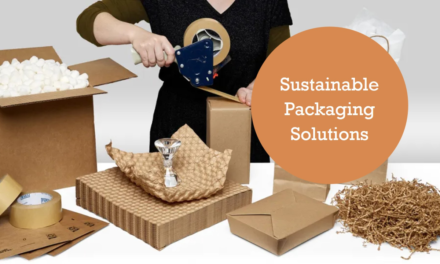
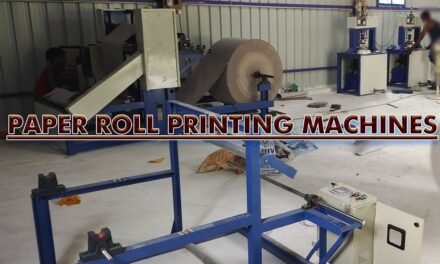
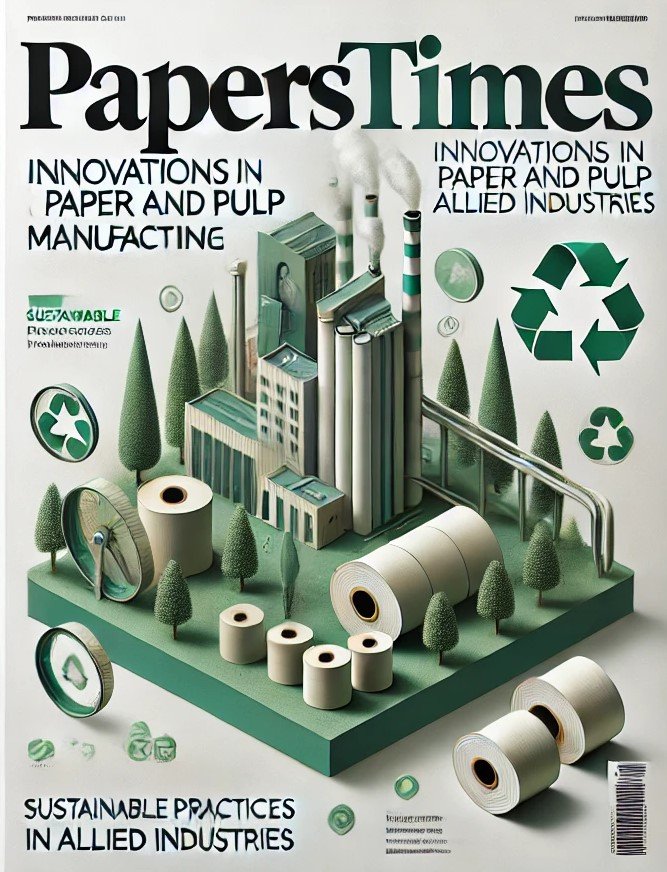
The household paper industry is actively addressing environmental concerns such as deforestation and waste through a combination of sustainable practices, innovative technologies, and collaborations. These efforts aim to reduce the environmental impact of paper production while meeting growing consumer demand for eco-friendly products.
1. Sustainable Sourcing of Raw Materials
The industry is reducing its reliance on unsustainable practices that contribute to deforestation by implementing the following measures:
a. Certified Sustainable Fibers
- Certifications:
- Forest Stewardship Council (FSC) and Programme for the Endorsement of Forest Certification (PEFC) ensure that wood pulp is sourced from responsibly managed forests.
- Impact:
- Encourages forest regeneration, biodiversity preservation, and ethical labor practices.
b. Alternative Fibers
- Non-Wood Sources:
- Using fast-growing plants such as bamboo, sugarcane bagasse, hemp, and wheat straw.
- Advantages:
- Reduced environmental footprint due to shorter growth cycles and lower resource requirements.
c. Increased Use of Recycled Fibers
- Post-Consumer Waste:
- Incorporating recycled paper reduces the need for virgin fibers and diverts waste from landfills.
- Applications:
- Recycled content is commonly used in toilet paper, paper towels, and napkins.
2. Reducing Waste in Manufacturing
Waste reduction is a critical focus in the production process.
a. Closed-Loop Water Systems
- What It Is:
- Recycling water used during the pulping and papermaking processes.
- Impact:
- Reduces water consumption and prevents pollution of natural water sources.
b. Efficient Pulping Processes
- Improvements:
- Technologies like enzymatic pulping and advanced refining minimize waste while optimizing fiber usage.
- Impact:
- Less energy-intensive processes with higher pulp yields.
c. Reducing Paper Waste
- Digital Process Control:
- Automation reduces errors and ensures precise production, minimizing offcuts and rejected materials.
- Repurposing Waste:
- Leftover pulp and trimmings are recycled or used in energy generation.
3. Innovation in Product Design
The industry is designing products that minimize environmental impact while maintaining performance.
a. Reduced Product Weight
- Why:
- Lighter products use less raw material while maintaining softness, strength, and absorbency.
- Examples:
- Ultra-thin but durable paper towels and toilet paper.
b. Compostable and Biodegradable Products
- What:
- Developing fully biodegradable household paper products using natural binders and additives.
- Impact:
- Ensures products break down quickly without harming the environment.
c. Reusable Alternatives
- Innovation:
- Introducing durable, washable paper towels for multiple uses.
- Market Trend:
- Targeting eco-conscious consumers looking for sustainable household solutions.
4. Eco-Friendly Additives and Chemicals
Replacing harmful chemicals with environmentally safe alternatives.
a. Chlorine-Free Bleaching
- What:
- Using oxygen-based bleaches like hydrogen peroxide instead of chlorine.
- Impact:
- Reduces the release of toxic chlorinated compounds into the environment.
b. Natural Coatings and Binders
- Examples:
- Plant-based resins, soy-based inks, and water-soluble coatings.
- Applications:
- Greaseproof and water-resistant paper products.
5. Energy Efficiency and Emission Reduction
Lowering energy use and carbon emissions in paper production.
a. Renewable Energy
- Adoption:
- Using solar, wind, or biomass energy to power production facilities.
- Example:
- Utilizing by-products like lignin from wood pulp as a biofuel.
b. Carbon-Neutral Goals
- Commitments:
- Many manufacturers aim to achieve carbon neutrality by investing in energy-efficient technologies and offsetting emissions.
- Certifications:
- Partnerships with organizations like Carbon Trust to validate progress.
6. Packaging Innovations
Minimizing the environmental footprint of product packaging.
a. Recyclable and Minimal Packaging
- Switch:
- From plastic wraps to paper-based or biodegradable packaging.
- Impact:
- Reduces single-use plastic waste.
b. Bulk and Compact Formats
- What:
- Offering larger packages and compressed rolls to reduce packaging material and shipping volume.
- Example:
- Compact toilet paper rolls with more sheets per roll.
7. Promoting Circular Economy Practices
Adopting circular economy principles to create a closed-loop system.
a. Recycling Initiatives
- Collaboration:
- Partnering with waste management companies to improve paper recycling rates.
- Consumer Education:
- Encouraging proper disposal and recycling through clear labeling.
b. Take-Back Programs
- What:
- Collecting used paper products for recycling or energy recovery.
- Example:
- Programs for office paper recycling integrated with tissue production.
8. Industry-Wide Collaboration
Working together to advance sustainability efforts.
a. Partnerships
- With NGOs:
- Collaborating with environmental organizations to adopt best practices.
- With Governments:
- Adhering to regulations like the EU’s Green Deal or the U.S.’s EPA Clean Energy Initiative.
b. Certifications and Standards
- Examples:
- FSC, PEFC, and ISO 14001 certifications ensure sustainable sourcing and production.
9. Consumer Engagement
Educating consumers on sustainable usage and disposal practices.
a. Eco-Friendly Labeling
- What:
- Highlighting certifications, recycled content, and biodegradable claims on packaging.
- Impact:
- Helps consumers make informed purchasing decisions.
b. Awareness Campaigns
- Goal:
- Promote the environmental benefits of recycled and sustainably sourced paper products.
10. Future Trends and Innovations
The industry continues to explore cutting-edge solutions.
a. Nanotechnology
- What:
- Using nanocellulose to create stronger, thinner paper products with less raw material.
- Impact:
- Reduces resource consumption while maintaining performance.
b. Enzyme-Based Pulping
- What:
- Enzymatic processes that minimize chemical usage in paper production.
- Impact:
- Eco-friendlier alternative to traditional pulping.
c. Waterless Papermaking
- Goal:
- Reduce water consumption significantly in the manufacturing process.
- Example:
- Experimental technologies that use minimal water for fiber bonding.
Conclusion
The household paper industry is addressing environmental concerns by focusing on sustainable sourcing, waste reduction, and energy efficiency while innovating in product design and manufacturing processes. By adopting circular economy principles, engaging with consumers, and collaborating across the value chain, the industry is moving toward a more sustainable future.