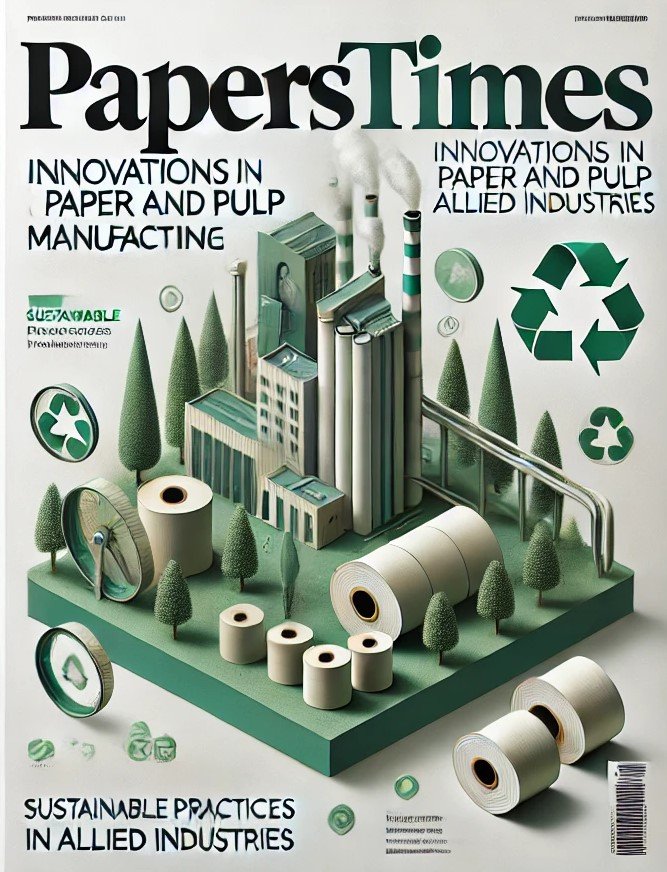
The paper industry is increasingly adopting sustainable practices to make paper rolls more eco-friendly, focusing on sourcing, production, and recycling. These efforts aim to minimize environmental impact, conserve resources, and align with global sustainability goals. Here’s how paper rolls are being made more sustainable:
1. Sustainable Sourcing
a. Certified Raw Materials
- FSC (Forest Stewardship Council) Certification:
- Ensures wood pulp is sourced from responsibly managed forests.
- PEFC (Programme for the Endorsement of Forest Certification):
- Promotes sustainable forest management globally.
- Impact:
- Reduces deforestation and preserves biodiversity.
b. Alternative Fibers
- Non-Wood Sources:
- Bamboo, bagasse (sugarcane waste), hemp, and agricultural residues.
- These fast-growing, renewable resources reduce reliance on traditional wood pulp.
- Impact:
- Decreases pressure on forests and utilizes by-products from other industries.
c. Locally Sourced Materials
- Reducing transportation emissions by sourcing raw materials close to production facilities.
2. Recycling and Recycled Content
a. High Recycled Content
- Post-Consumer Waste:
- Paper rolls made with recycled fibers from used paper products.
- Pre-Consumer Waste:
- Recycling manufacturing offcuts and scraps into new paper rolls.
- Impact:
- Reduces landfill waste and decreases the need for virgin pulp.
b. Closed-Loop Recycling Systems
- Establishing systems where waste generated during paper roll production is reprocessed into new rolls.
- Example: Recycling trimming waste back into the production line.
c. Improved Recycling Techniques
- Advanced de-inking processes and cleaning technologies ensure high-quality recycled paper that rivals virgin paper.
3. Eco-Friendly Production Practices
a. Energy Efficiency
- Using renewable energy sources such as biomass, solar, or wind power in production facilities.
- Installing energy-efficient machinery to reduce electricity consumption.
b. Water Conservation
- Adopting closed-loop water systems that recycle and reuse water during the pulping and papermaking processes.
c. Chemical-Free or Low-Chemical Processing
- Using TCF (Totally Chlorine-Free) or ECF (Elemental Chlorine-Free) bleaching methods.
- Reducing harmful chemical discharge into waterways.
4. Sustainable Coatings and Additives
a. Recyclable and Biodegradable Coatings
- Substituting traditional plastic or polyethylene coatings with plant-based or water-based alternatives.
- Example: Wax or starch-based coatings.
b. Reduced Use of Inks and Dyes
- Using water-based inks or soy-based inks for printing, which are less toxic and easier to recycle.
c. Compostable Adhesives
- Replacing synthetic adhesives with biodegradable, natural resins.
5. Lightweight Paper Rolls
- Reducing the grammage (GSM) without compromising strength:
- Produces lighter paper rolls, saving raw materials and energy during production and transport.
- Impact:
- Reduces carbon emissions associated with shipping and manufacturing.
6. Extended Product Life Cycle
- Durable Paper Rolls:
- Designing paper rolls that can be reused multiple times before recycling.
- Applications:
- Stronger kraft paper rolls for packaging that can be repurposed or reused in various forms.
7. Responsible Packaging
- Using minimal and recyclable packaging for transporting paper rolls.
- Example:
- Replacing plastic wraps with kraft paper or reusable covers.
8. Certifications and Transparency
- Environmental Labels:
- Products labeled as FSC-certified, PEFC-certified, or EU Ecolabel help consumers identify sustainable options.
- Carbon Footprint Tracking:
- Many manufacturers now provide information about the carbon emissions associated with their products, promoting informed consumer choices.
9. Waste Management Initiatives
- Collaborating with customers to establish take-back programs for used paper rolls or cores.
- Setting up industrial composting or recycling facilities for end-of-life paper products.
10. Advocacy and Education
- Promoting consumer awareness about proper recycling practices for used paper rolls.
- Encouraging businesses to choose sustainable paper options for printing and packaging needs.
Examples of Sustainable Paper Roll Applications
- Recycled Kraft Paper Rolls:
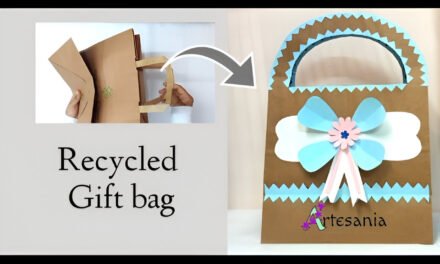
- Used for packaging and void fill, reducing the need for virgin pulp.
- Compostable Tissue Rolls:
- Biodegradable tissue rolls made from recycled or alternative fibers.
- Eco-Friendly Thermal Rolls:
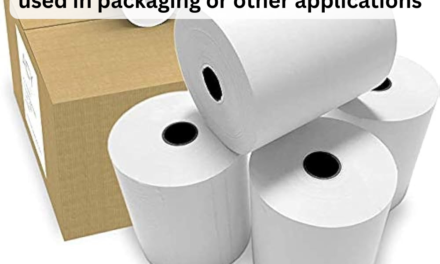
- BPA-free thermal paper rolls for receipts and tickets.
- Recyclable Coated Paper:
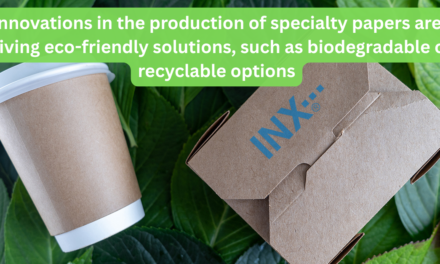
- Specialty paper rolls with biodegradable coatings for food packaging.
Conclusion
The paper roll industry is transitioning toward sustainability through responsible sourcing, efficient recycling, and innovative eco-friendly practices. These initiatives not only reduce the environmental footprint of paper production but also align with growing consumer and business demand for sustainable solutions. By adopting these practices, manufacturers are contributing to a circular economy, minimizing waste, and promoting a greener future.