Paper-based packaging materials are often considered more sustainable than plastics due to their renewability, recyclability, and biodegradability. However, their sustainability depends on factors like raw material sourcing, production processes, usage, and end-of-life management. Here’s a detailed comparison of the sustainability of paper-based packaging materials versus plastics:
1. Raw Material Sourcing
Paper-Based Packaging
- Source: Derived from renewable resources like trees and alternative fibers (e.g., bamboo, hemp, or sugarcane bagasse).
- Sustainability:
- When responsibly sourced, paper packaging materials can be sustainable and certified by organizations like the Forest Stewardship Council (FSC) or Programme for the Endorsement of Forest Certification (PEFC).
- Overharvesting for paper production can lead to deforestation and loss of biodiversity.
Plastics
- Source: Derived from petroleum-based or natural gas-based materials, which are finite, non-renewable resources.
- Sustainability:
- Dependence on fossil fuels contributes to climate change and ecosystem degradation.
- Bioplastics (made from renewable sources like corn starch) are an emerging alternative, but they often require specific conditions for biodegradation and may compete with food crops.
2. Carbon Footprint
Paper-Based Packaging
- Impact:
- Paper production is energy-intensive, particularly in the pulping and drying stages.
- Generates fewer greenhouse gas emissions than plastic when recycled or biodegraded.
- Responsible forestry practices (e.g., tree planting) can offset some carbon emissions.
- Mitigation:
- Recycling paper significantly reduces its carbon footprint by lowering the demand for virgin pulp.
Plastics
- Impact:
- Plastic production has a lower carbon footprint than virgin paper production due to its efficiency and lower energy requirements.
- Non-biodegradable plastics contribute to long-term carbon storage, but their persistence in the environment causes harm.
- Mitigation:
- Recycling reduces emissions but is limited by low global recycling rates (~9%).
3. Water and Energy Usage
Paper-Based Packaging
- Impact:
- Requires large amounts of water for pulping and paper production.
- Energy-intensive process, especially for virgin paper.
- Sustainability:
- Modern mills incorporate water recycling systems and renewable energy sources to improve efficiency.
Plastics
- Impact:
- Requires significantly less water than paper in production.
- Plastic production is energy-efficient but relies on fossil fuels, which have high indirect environmental costs.
4. Recyclability
Paper-Based Packaging
- Recyclability:
- Widely recyclable; most countries have infrastructure for recycling paper and cardboard.
- Recycling fibers reduces energy and water consumption by up to 40-60% compared to virgin production.
- Challenges:
- Contaminated paper (e.g., grease, food residues) is difficult to recycle.
- Fibers degrade after 5–7 cycles, requiring virgin fiber supplementation.
Plastics
- Recyclability:
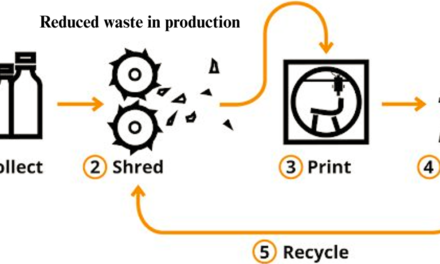
- Some plastics (e.g., PET, HDPE) are recyclable, but global recycling rates remain low.
- Plastics degrade in quality after recycling, leading to downcycling.
- Challenges:
- Mixed plastics and contamination hinder effective recycling.
- Many single-use plastics are not economically viable to recycle.
5. Biodegradability
Paper-Based Packaging
- Biodegradability:
- Naturally decomposes within weeks to months in composting conditions.
- Reduces long-term environmental persistence.
- Limitations:
- Coated papers (e.g., with plastic or wax) may not be biodegradable or compostable.
Plastics
- Biodegradability:
- Traditional plastics are not biodegradable and persist for hundreds of years.
- Bioplastics offer biodegradability but require specific industrial composting facilities.
- Limitations:
- Inadequate disposal infrastructure for bioplastics leads to confusion and improper waste management.
6. End-of-Life Impact
Paper-Based Packaging
- Environmental Impact:
- Breaks down naturally, minimizing long-term pollution.
- Compostable paper can enrich soil if processed correctly.
- Challenges:
- Paper incineration releases carbon dioxide but fewer toxins compared to plastics.
Plastics
- Environmental Impact:
- Major contributor to ocean pollution and microplastics.
- Incineration releases harmful toxins like dioxins.
- Challenges:
- Long-term accumulation in landfills and natural ecosystems.
7. Functional Trade-Offs
Paper-Based Packaging
- Advantages:
- Ideal for lightweight, dry goods (e.g., cartons, bags).
- Greaseproof and water-resistant coatings enhance functionality.
- Limitations:
- Less durable than plastic for wet or heavy goods.
- Requires more material to match plastic’s strength, increasing overall resource use.
Plastics
- Advantages:
- Lightweight, strong, and moisture-resistant.
- Superior for long-term storage or wet products.
- Limitations:
- Environmental harm due to long persistence and low recyclability.
8. Consumer and Regulatory Trends
- Paper-Based Packaging:
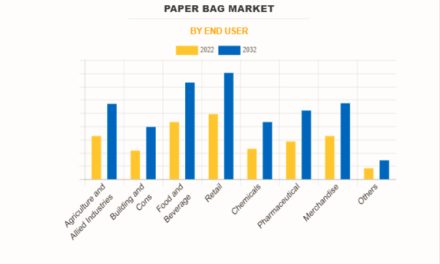
- Increasing demand for paper packaging due to its eco-friendly perception.
- Regulatory bans on single-use plastics have driven the shift to paper alternatives.
- Plastics:
- Stricter regulations are encouraging innovation in recyclable and biodegradable plastics.
- Consumer awareness of plastic pollution drives demand for alternatives.
Conclusion: Paper vs. Plastics
Paper-based packaging is generally more sustainable than plastics in terms of renewability, biodegradability, and recyclability, especially when sourced responsibly and recycled effectively. However, plastic packaging has advantages in certain applications due to its durability, water resistance, and lower initial carbon footprint. The choice between paper and plastic should consider the specific use case, environmental goals, and the availability of recycling or composting infrastructure.