Ink adhesion varies significantly across different types of paper and printing processes due to the interactions between the ink, the substrate (paper), and the specific printing technology. Here’s an in-depth look at how these factors influence ink adhesion:
1. Ink Adhesion Across Different Types of Paper
a. Uncoated Paper
- Characteristics:
- Absorbent surface with open fibers.
- Commonly used for books, notebooks, and office printing.
- Ink Adhesion:
- High absorption leads to good adhesion but can cause ink spread (dot gain), reducing sharpness.
- Challenges:
- Colors may appear dull due to ink absorption into the fibers.
- Best-Suited Processes:
- Offset printing: Effective for uncoated papers with proper ink formulations.
- Digital printing: Suitable for toner-based printers, as toner adheres well to the surface.
b. Coated Paper
- Characteristics:
- Has a smooth, treated surface (glossy, matte, or satin).
- Reduces ink absorption, enhancing sharpness and vibrancy.
- Ink Adhesion:
- Adhesion relies on the interaction between the ink and the coating.
- Requires inks with appropriate tack and drying characteristics.
- Challenges:
- Risk of smudging or poor adhesion if drying is inadequate.
- Best-Suited Processes:
- Offset printing: Excellent results with fast-drying inks.
- Digital printing: Works well with inkjet and laser printers using heat or UV curing.
c. Specialty Papers
- Characteristics:
- Includes textured, metallic, recycled, or synthetic papers.
- Ink Adhesion:
- Textured papers provide better mechanical grip for ink.
- Metallic or synthetic papers may require primers or specialized inks for proper adhesion.
- Challenges:
- Non-porous or uneven surfaces can lead to poor adhesion without pre-treatment.
- Best-Suited Processes:
- Flexography: Performs well with inks designed for non-porous surfaces.
- Digital and UV printing: Effective with specialty inks and curing techniques.
d. Recycled Paper
- Characteristics:
- Contains a mix of virgin and post-consumer fibers with varying porosity.
- Ink Adhesion:
- Can be inconsistent due to irregular fiber structures and impurities.
- Challenges:
- Increased absorption may require higher ink usage and precise calibration.
- Best-Suited Processes:
- Offset and digital printing: Adjust ink tack and density for optimal adhesion.
2. Ink Adhesion Across Printing Processes
a. Offset Printing
- How It Works:
- Ink is transferred from a plate to a rubber blanket, then to the paper.
- Adhesion Factors:
- Relies on ink drying through absorption and oxidation.
- Proper ink tack is critical to prevent smudging or pulling fibers from the paper.
- Paper Compatibility:
- Performs well on both uncoated and coated papers.
- Challenges:
- On coated papers, drying time and anti-setoff powders may be needed to ensure adhesion.
b. Flexographic Printing
- How It Works:
- Uses flexible relief plates and fast-drying inks.
- Adhesion Factors:
- Relies on ink absorption or surface bonding, depending on the substrate.
- Coated and synthetic papers often require specially formulated inks for adhesion.
- Paper Compatibility:
- Works on a wide variety of papers, including recycled and specialty grades.
- Challenges:
- Non-porous or heavily coated papers may require primers for proper adhesion.
c. Digital Printing
- How It Works:
- Uses toner or liquid ink applied directly to the substrate, often with heat or UV curing.
- Adhesion Factors:
- Depends on the surface properties of the paper and the curing mechanism.
- Uncoated papers allow better toner adhesion, while coated papers may need a primer or coating.
- Paper Compatibility:
- Highly versatile but may require treated or certified papers for optimal results.
- Challenges:
- Glossy or heavily textured papers can pose adhesion challenges for toner-based printers.
d. Screen Printing
- How It Works:
- Ink is pushed through a mesh stencil onto the substrate.
- Adhesion Factors:
- Ink sits on the surface rather than being absorbed, making adhesion dependent on ink viscosity and curing.
- Paper Compatibility:
- Works best on flat, absorbent papers.
- Challenges:
- Poor adhesion on highly textured or coated papers without proper ink selection.
e. UV Printing
- How It Works:
- Uses ultraviolet light to cure ink instantly on the substrate.
- Adhesion Factors:
- Excellent for non-porous or coated papers due to instant curing.
- Paper Compatibility:
- Highly versatile, suitable for coated, synthetic, and specialty papers.
- Challenges:
- Requires careful calibration to avoid ink cracking on flexible substrates.
3. Key Factors Influencing Ink Adhesion
a. Ink Formulation
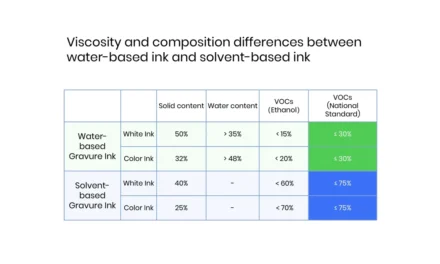
- Tack, viscosity, and drying method must align with the paper type and printing process.
b. Paper Surface Properties
- Porosity, coating, and surface texture directly affect how ink adheres and dries.
c. Curing or Drying
- Proper curing (e.g., UV, heat) ensures ink bonds securely to the substrate.
d. Environmental Conditions
- Humidity and temperature can impact adhesion, particularly for water-based inks.
4. Best Practices for Enhancing Ink Adhesion
- Choose the Right Ink:
- Match ink type to the substrate and printing process.
- Pre-Treat Surfaces:
- Use primers or coatings for challenging substrates.
- Control Environmental Conditions:
- Maintain optimal temperature and humidity in the print area.
- Calibrate Equipment:
- Ensure proper pressure, ink viscosity, and drying settings.
- Test Compatibility:
- Perform adhesion tests on new substrates before full production.