The production of paper goods involves a range of raw materials that vary based on the type of paper being manufactured. These materials contribute to the strength, texture, appearance, and functionality of the final product. Below is a detailed breakdown of the raw materials commonly used in paper production:
1. Fibrous Raw Materials
The primary component of paper is cellulose fibers, which can be sourced from various materials:
a. Wood Pulp
- Source: Derived from softwood (e.g., pine, spruce) and hardwood (e.g., birch, eucalyptus) trees.
- Types:
- Mechanical Pulp: Produced by grinding wood to separate fibers; used for newsprint and lower-quality papers.
- Chemical Pulp: Made by treating wood chips with chemicals to remove lignin, producing stronger fibers. Common processes include:
- Kraft Process: Produces strong, durable fibers used for kraft paper and packaging.
- Sulfite Process: Produces smoother fibers used for fine papers.
- Applications: Printing and writing paper, packaging paper, and specialty papers.
b. Recycled Fiber
- Source: Collected from post-consumer and post-industrial waste, such as old newspapers, cardboard, and office paper.
- Applications: Used in producing recycled paper, corrugated boxes, and tissue products.
- Sustainability: Reduces the need for virgin fibers and minimizes waste.
c. Non-Wood Fibers
- Source: Agricultural residues and alternative plants like:
- Bagasse: Sugarcane residue.
- Hemp: Durable fibers for specialty papers.
- Jute: Coarse fibers used in industrial papers.
- Kenaf, Bamboo, and Straw: Fast-growing plants used for eco-friendly paper production.
- Applications: Specialty papers, eco-friendly products, and handmade papers.
2. Non-Fibrous Additives
Non-fibrous materials are added to enhance the quality and functionality of the paper:
a. Fillers
- Purpose: Improve smoothness, brightness, and opacity of paper.
- Common Fillers:
- Calcium Carbonate: Used in high-quality papers for printing and writing.
- Kaolin Clay: Enhances printability and opacity.
- Talc: Improves softness and smoothness.
- Applications: Coated papers, fine papers, and printing paper.
b. Sizing Agents
- Purpose: Improve water resistance and ink absorption.
- Types:
- Rosin: A traditional sizing agent.
- Synthetic Sizing Agents: Modern alternatives like alkyl ketene dimer (AKD) and alkenyl succinic anhydride (ASA).
- Applications: Printing and writing paper, packaging paper.
c. Colorants
- Purpose: Add color or brightness to paper.
- Common Types:
- Dyes: For uniform coloring.
- Optical Brightening Agents (OBAs): Enhance brightness and whiteness.
- Applications: Colored paper, high-brightness printing paper.
3. Coating Materials
Coatings are applied to enhance print quality, appearance, and performance:
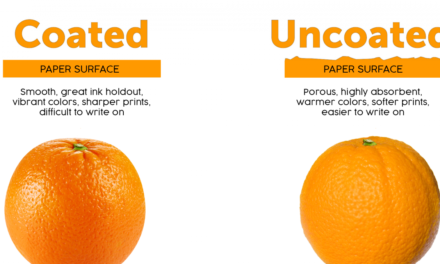
- Clay or Calcium Carbonate: Used in coated paper for a smooth, glossy finish.
- Plastic or Wax Coatings: For water resistance and durability in packaging.
- Biodegradable Coatings: Plant-based alternatives for eco-friendly packaging papers.
- Applications: Glossy magazines, brochures, packaging, and specialty printing papers.
4. Chemicals
Chemicals are used to aid the pulping, bleaching, and finishing processes:
a. Bleaching Agents
- Purpose: Remove lignin and whiten fibers.
- Types:
- Chlorine-Free Bleaching: Elemental Chlorine-Free (ECF) or Totally Chlorine-Free (TCF) processes.
- Hydrogen Peroxide or Oxygen: Eco-friendly alternatives.
- Applications: High-quality papers like printing and writing papers.
b. Retention Aids
- Purpose: Improve the retention of fillers and fines during the paper-making process.
- Applications: Used across various paper types to ensure consistent quality.
c. Binding Agents
- Purpose: Enhance fiber bonding and strength.
- Common Agents:
- Starch: Widely used as a natural binder.
- Synthetic Resins: For specialized applications.
- Applications: Packaging papers, printing papers, and tissue products.
5. Water
- Purpose: Essential for pulping, fiber suspension, and sheet formation.
- Usage: Paper production is highly water-intensive, but mills are adopting water recycling systems to reduce consumption.
- Applications: Used in all stages of paper production.
6. Specialty Raw Materials
For certain types of paper goods, specialized raw materials are used:
a. Heat-Sensitive Coatings
- Purpose: Used in thermal paper for receipts and labels.
- Applications: POS systems, tickets, and barcodes.
b. Carbonless Chemicals
- Purpose: Microcapsules in carbonless paper allow for copy production without carbon sheets.
- Applications: Invoices, receipts, and business forms.
c. Synthetic Polymers
- Purpose: For synthetic papers that are waterproof and tear-resistant.
- Applications: Outdoor signage, menus, maps, and labels.
d. Natural Fibers
- Purpose: High-quality handmade or decorative papers may use cotton or silk fibers for unique textures.
- Applications: Stationery, luxury packaging, and art paper.
Sustainability in Raw Materials
Modern paper production increasingly emphasizes sustainability:
- Recycling: Greater use of recycled fibers to minimize reliance on virgin materials.
- Eco-Friendly Alternatives: Use of non-wood fibers like bamboo and agricultural residues.
- Chemical Reduction: Chlorine-free bleaching and biodegradable coatings.
- Sustainable Sourcing: Certification by FSC (Forest Stewardship Council) or PEFC (Programme for the Endorsement of Forest Certification) ensures responsible forestry practices.
Conclusion
The raw materials for paper production range from traditional wood pulp and recycled fibers to innovative materials like bamboo, bagasse, and synthetic polymers. Additives like fillers, sizing agents, and coatings further refine the paper for specific uses. As sustainability gains importance, the industry continues to explore eco-friendly materials and practices.